What is idle time - and why it matters ?
Idle time occurs when the engine is running but the truck is not moving. This includes:
- Waiting at shippers/receivers
- Rest breaks with engine running
- Yard time
- Cold-weather warmups
- AC usage during summer
While some idling is unavoidable, excessive idle time directly impacts:
- Fuel consumption
- Engine wear
- Maintenance costs
- Emissions
- Overall profitability
In 2026, with fuel prices remaining volatile, idle reduction is one of the fastest ways to improve margins.
The real cost of idle time
On average:
- A heavy-duty truck burns 0.8–1 gallon per hour while idling
- 1 hour of daily idling = ~250–300 gallons per year
- At $4 per gallon → $1,000–$1,200 per truck annually
Now multiply that by:
- 5 trucks → $5,000+ per year
- 10 trucks → $10,000+ per year
- 15 trucks → $15,000+ per year
And that’s fuel only — not including maintenance impact.
For small fleets, that’s often the difference between profit and break-even.
Step 1: Measure idle percentage correctly
ELD systems automatically record:
- Engine hours
- Drive time
- On-duty not driving
Vehicle motion status
The key KPI to track:
Idle % = Idle Engine Hours / Total Engine Hours × 100
Healthy benchmark ranges:
- 8–15% → Good
- 15–25% → Needs monitoring
25%+ → Action required
Without ELD data, most small fleets underestimate idle by 10–20%.
Step 2: Identify where idle happens
Not all idle time is driver-related.
Use ELD reporting to separate:
1️⃣ Yard Idle
Trucks running during loading/unloading.
2️⃣ Driver behavior idle
Unnecessary engine running during breaks.
3️⃣ Operational idle
Dispatch inefficiencies causing wait time.
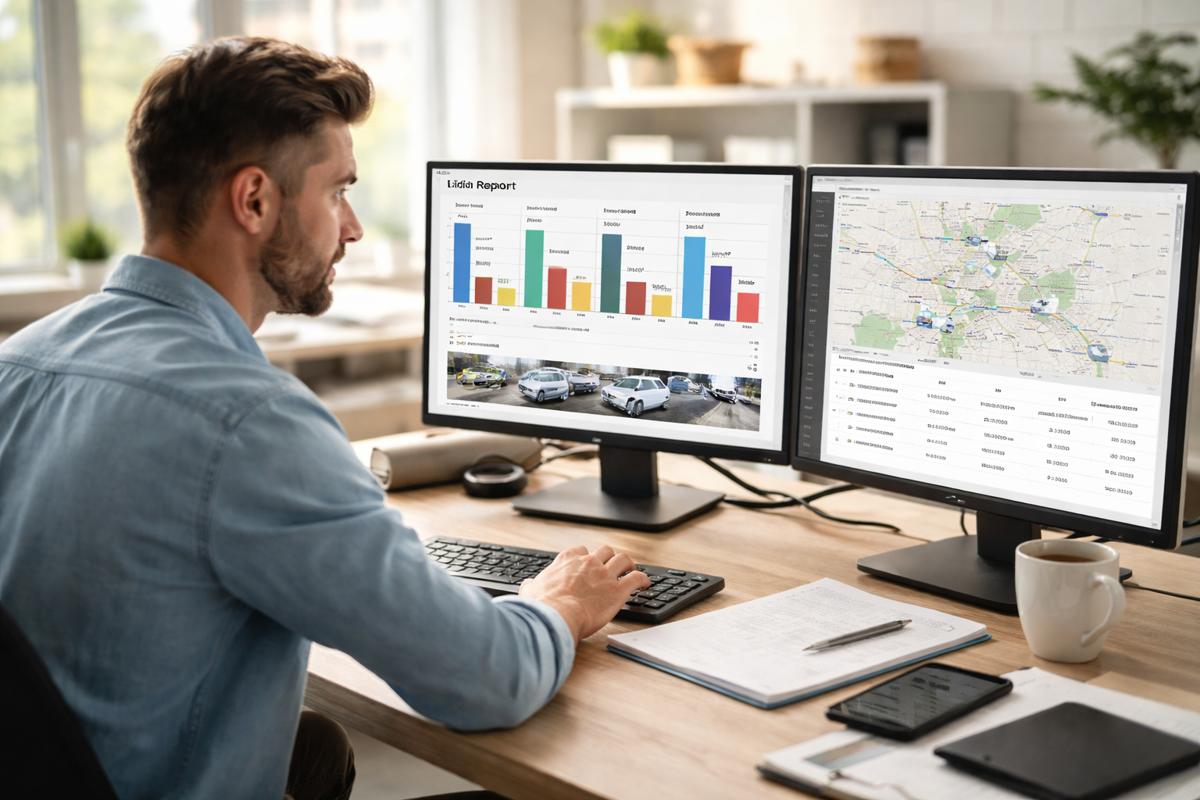
Modern ELD dashboards allow filtering idle by:
- Driver
- Truck
- Route
- Time of day
Location
This transforms guesswork into actionable insight.
Step 3: Create driver scorecards (Without micromanaging)
Instead of confrontation, use transparency.
Weekly driver scorecards can include:
- Idle %
- MPG
- Hard braking
- Safety events
When drivers see comparisons, behavior improves naturally.
Best practice:
- Share data weekly
- Set realistic targets
- Reward improvements
Avoid punishment-first approach
Small fleets often see 5–10% idle reduction within 60 days.
Step 4: Dispatch optimization
Idle time is often operational, not behavioral.
ELD data reveals:
- Frequent long waits at specific customers
- Bottlenecks in yard scheduling
- Inefficient route planning
With data in hand, fleets can:
- Negotiate detention fees
- Adjust appointment times
Reroute recurring delays
This is where ELD shifts from compliance tool to profit tool.
Step 5: Seasonal strategy
Winter and summer drastically affect idle.
Winter:
- Use auxiliary heaters if possible
Limit warm-up time
Summer:
- Consider APU solutions
Monitor overnight idle spikes
Comparing idle reports month-over-month highlights seasonal patterns.
Reporting you should review weekly
To reduce idle effectively, monitor:
- Idle time by truck
- Idle time by driver
- Idle heat map by location
- MPG trends
- Engine hours vs. drive hours
A centralized ELD dashboard makes this review take 10–15 minutes per week.
Without structured reporting, fleets react instead of optimize.
Real-world example (Small fleet case)
Fleet size: 7 trucks
Initial idle: 23%
After 90 days using ELD-based monitoring: 14%
Result:
- ~9% reduction
- Estimated annual savings: ~$6,000–$8,000
- Lower maintenance frequency
- Improved driver awareness
No new hardware. Just better data usage.
Why many small fleets fail to reduce idle
Common mistakes:
- Looking only at fuel invoices
- Not reviewing idle by driver
- No weekly review process
- No accountability structure
- Using ELD only for HOS compliance
In 2026, successful fleets treat ELD as a performance analytics platform — not just a logging device.
Turning data into action
Reducing idle requires:
- Clear KPIs
- Consistent reporting
- Driver communication
- Dispatch alignment
- Leadership involvement
Technology alone doesn’t save money — structured use of data does.
Final thoughts
Idle time is one of the easiest expenses to control in a small fleet.
Unlike fuel prices or insurance rates, idle is partially within your control. With the right ELD reporting and a simple review process, small carriers can recover thousands of dollars annually.
The key is moving from compliance-only usage to performance-driven usage.
Want to see your fleet’s idle potential?
If you’d like to see how much idle time is costing your fleet — and how to reduce it using structured ELD reporting — leave your email below.
We’ll send you:
- A simple idle cost calculator
- A sample weekly review template
- Best practices for small fleets
Small improvements scale fast when you have the right data.